

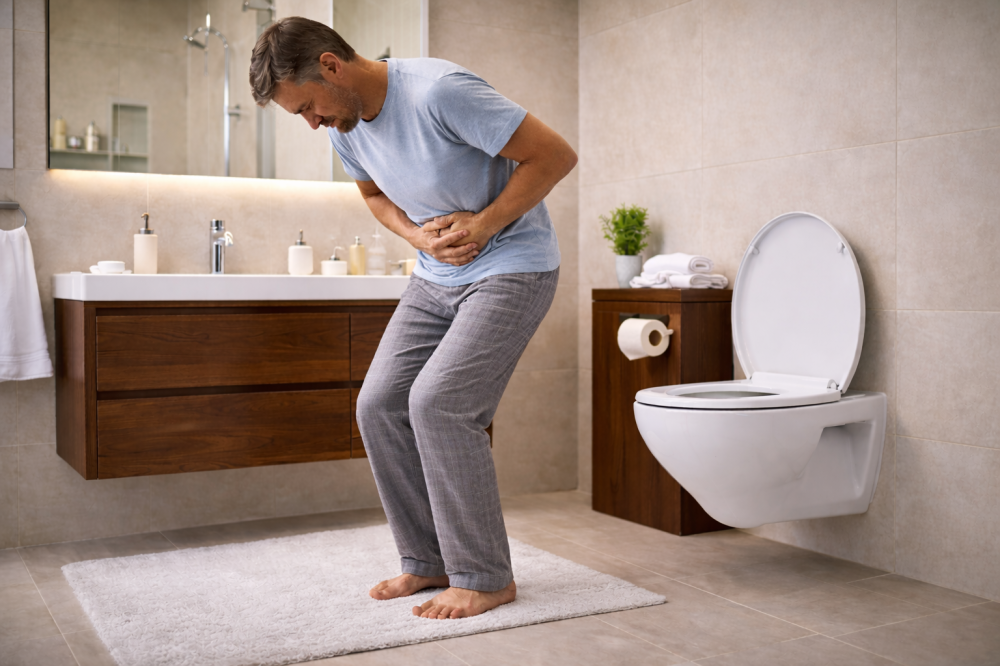
Understanding IBS-D (Irritable Bowel Syndrome with Diarrhea)
Irritable Bowel Syndrome with Diarrhea (IBS-D) is a subtype of IBS primarily characterized by frequent diarrhea, along with abdominal pain, bloating, and a sudden urgent need to use the bathroom.
Statistics show that about 1 in 7 people suffer from IBS, and approximately one-third of these cases fall under IBS-D.
How is IBS Diagnosed?
Diagnosing IBS-D is not straightforward, as there is no single blood test or imaging method that confirms it. Instead, doctors rely on:
- Medical History: Reviewing symptoms and ruling out red flags such as anemia or unexplained weight loss.
- Rome IV Criteria: Recurrent abdominal pain (at least one day per week in the last 3 months) associated with changes in bowel frequency or stool form.
- Bristol Stool Chart: IBS-D is identified when more than 25% of stools are loose or watery (Type 6 or 7).
What is IBS-D?
IBS is classified as a disorder of gut-brain interaction (DGBI). This means there is a disruption in communication between the digestive system and the brain, leading to:
- Visceral hypersensitivity: Increased sensitivity to normal levels of gas, causing pain
- Microbiome imbalance: Disruption in beneficial gut bacteria
- Rapid intestinal transit: Food moves too quickly through the gut, preventing proper water absorption and causing diarrhea
Diet Tips for IBS-D
Managing diet with IBS can be challenging. Here are key recommendations:
- Reduce caffeine: Coffee speeds up bowel movement, which may worsen diarrhea
- Chew food thoroughly: Smaller food particles reduce digestive strain and fluid secretion
- Be mindful of fiber and large salads: Large amounts of leafy greens may draw water into the intestines and increase diarrhea
Supplements for IBS Support
Well-formulated supplements can play a key role in managing symptoms.
The Comprehensive Option: IBS-PRO
IBS-PRO is designed as a multi-targeted solution for IBS-D. Its balanced formula helps:
- Support gut bacteria balance with researched probiotic strains
- Reduce spasms by calming colon muscles
- Improve stool consistency by regulating intestinal transit
Tip: For optimal results, combine IBS-PRO with a low FODMAP diet (reducing fermentable sugars such as garlic, onions, and some fruits).
Understanding the “Layers” of IBS
In many cases, IBS symptoms are influenced by additional underlying factors such as:
- Histamine intolerance: Bloating and diarrhea after fermented or leftover foods
- SIBO (Small Intestinal Bacterial Overgrowth): Bacteria growing in the small intestine instead of the colon
- Bile acid malabsorption: A common cause of chronic diarrhea in up to 25% of IBS-D cases
Conclusion
Effectively managing IBS-D requires a multi-layered approach that combines lifestyle changes, proper supplementation like IBS-PRO, and working with professionals to better understand your body.
References
https://www.continence.org.au/information-incontinence-arabic/constipation-and-bowel-control