

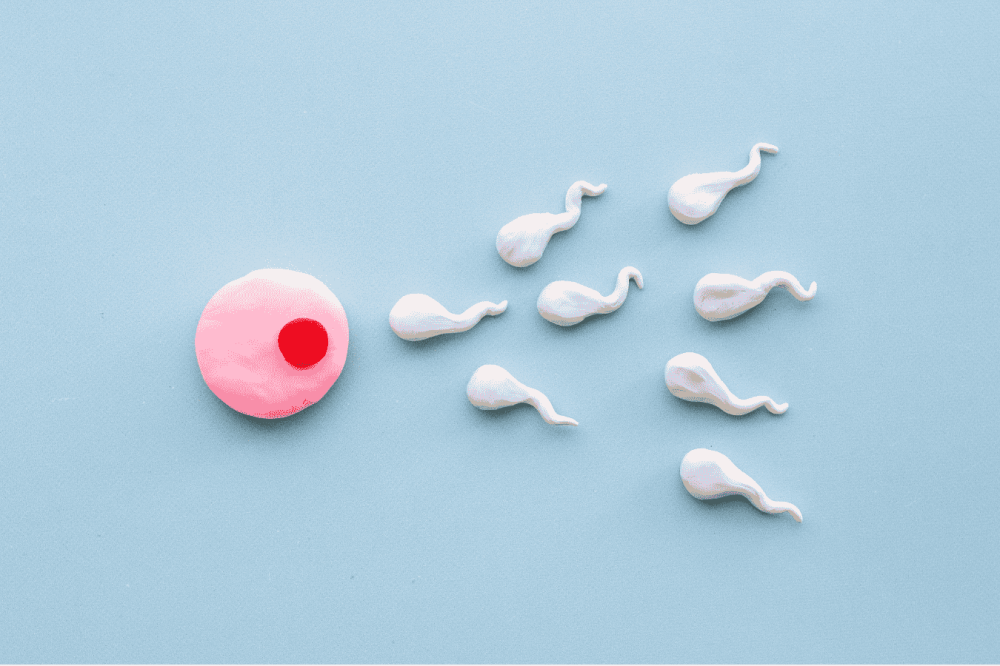
Vitamins that support male fertility include zinc, vitamin C, vitamin E, selenium, and vitamin D. These nutrients help improve sperm production, motility, and overall quality according to scientific studies.
What is the relationship between vitamins and sperm quality?
Vitamins help reduce oxidative stress and improve testicular function.
They support the production of male hormones and enhance sperm formation.
What are the most important vitamins for male fertility?
Zinc
Zinc is one of the most important minerals for male fertility. It plays a key role in testosterone production and sperm development. Adequate levels are associated with improved sperm count and motility.
Vitamin C
A powerful antioxidant that protects sperm from oxidative damage. It may help improve sperm count and reduce abnormalities.
Vitamin E
Works with vitamin C to protect sperm cell membranes. It supports sperm quality and improves motility by reducing oxidative stress.
Selenium
Supports sperm movement and protects reproductive cells. It plays an important role in antioxidant defense and overall sperm function.
Vitamin D
Linked to hormone regulation, especially testosterone. Adequate levels may support reproductive health, particularly in cases of deficiency.
Are there studies supporting the effectiveness of these vitamins?
Yes.
A study published in Fertility and Sterility showed that vitamin C, vitamin E, and selenium improved sperm quality by 25–30%.
Zinc has been linked to increased sperm concentration by up to 74% according to the American Journal of Clinical Nutrition.
What is the impact of deficiency in these vitamins on fertility?
Zinc deficiency may reduce testosterone levels, vitamin C deficiency may increase sperm abnormalities, and selenium deficiency may reduce sperm motility.
Can these vitamins be combined in one supplement?
Yes, many male fertility supplements combine these vitamins with amino acids such as L-carnitine and CoQ10 for better results.
When do results start to appear after using supplements?
Results typically appear after 60–90 days, which matches the sperm production cycle.
Consistency and proper dosage are key.
Tips for choosing the best fertility supplement:
- Choose a supplement containing zinc, C, E, D, and selenium
- Avoid excessive doses
- Look for quality certifications (GMP or ISO)
- Check clinical reviews or medical credibility
Is taking these vitamins enough to improve fertility?
No, supplements play a supportive role.
Lifestyle factors such as healthy nutrition, stress management, avoiding smoking and alcohol, and maintaining overall health are essential for better fertility outcomes.